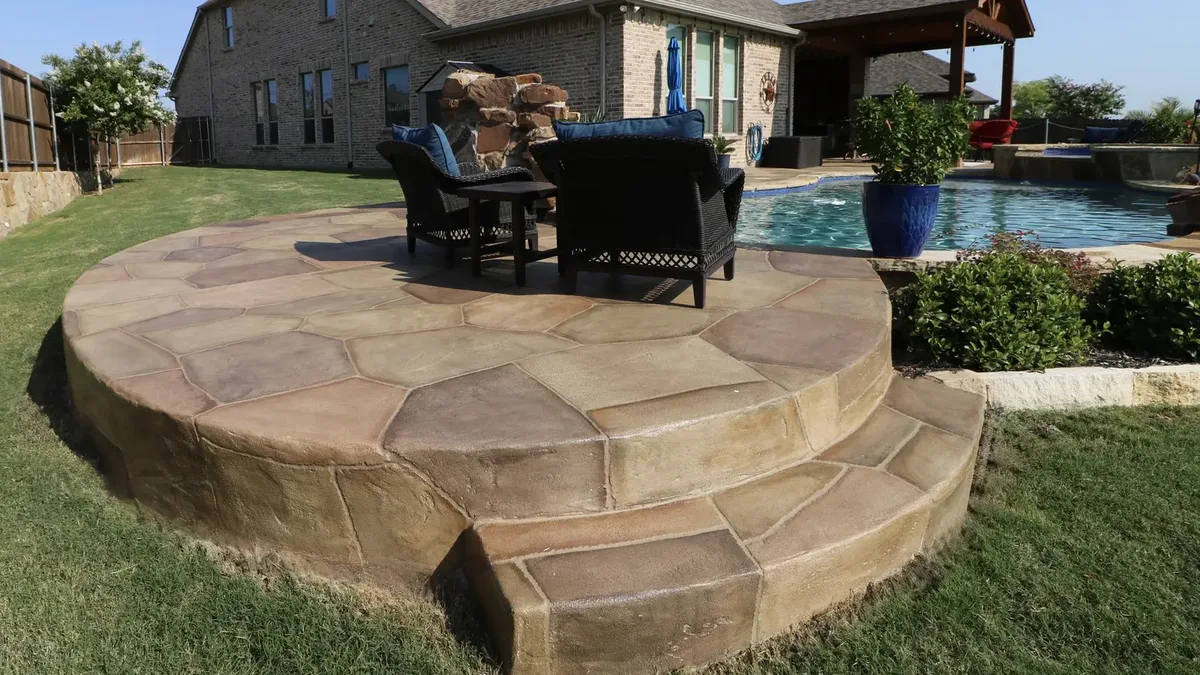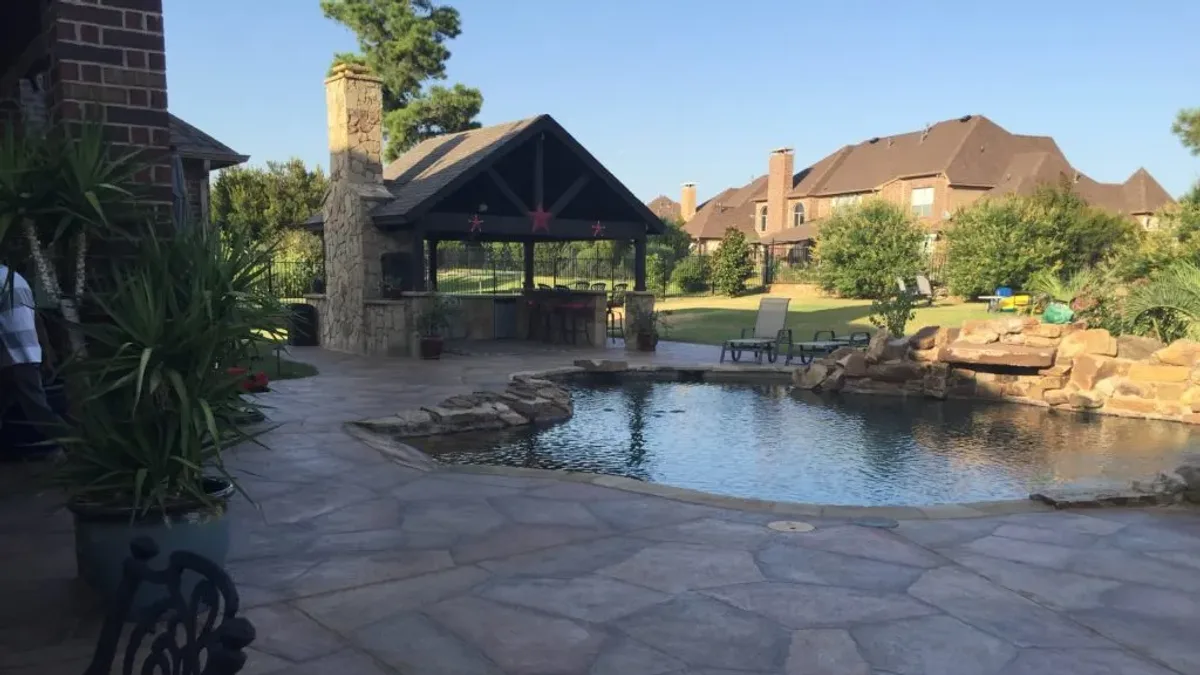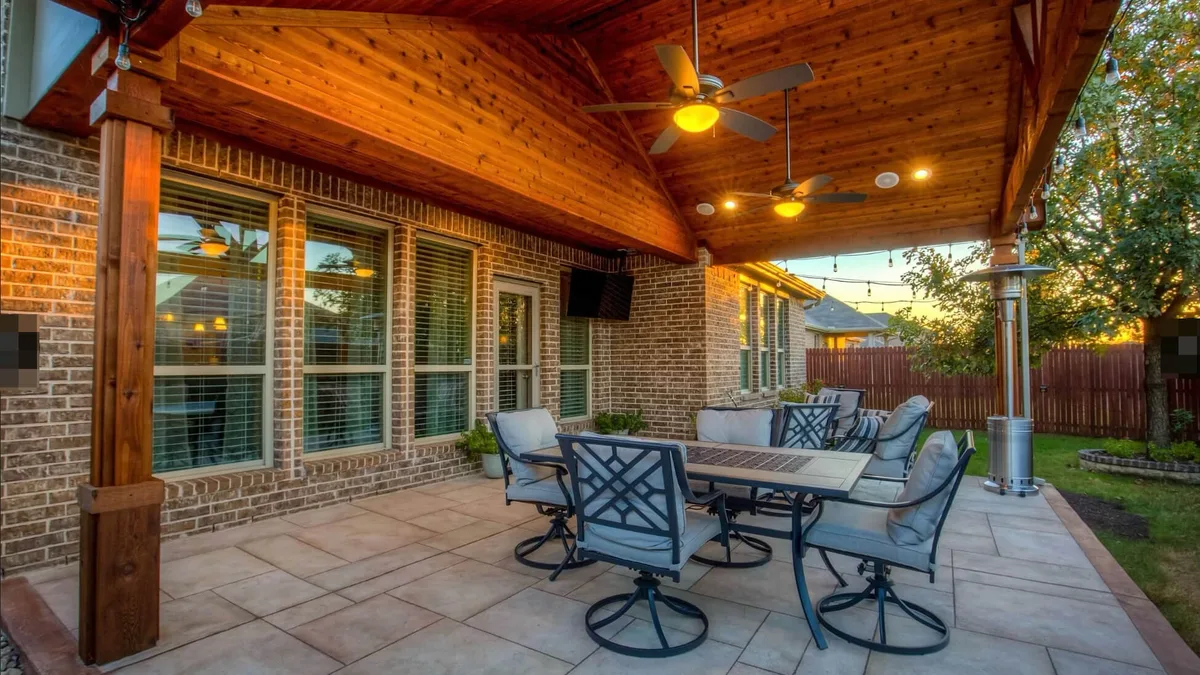
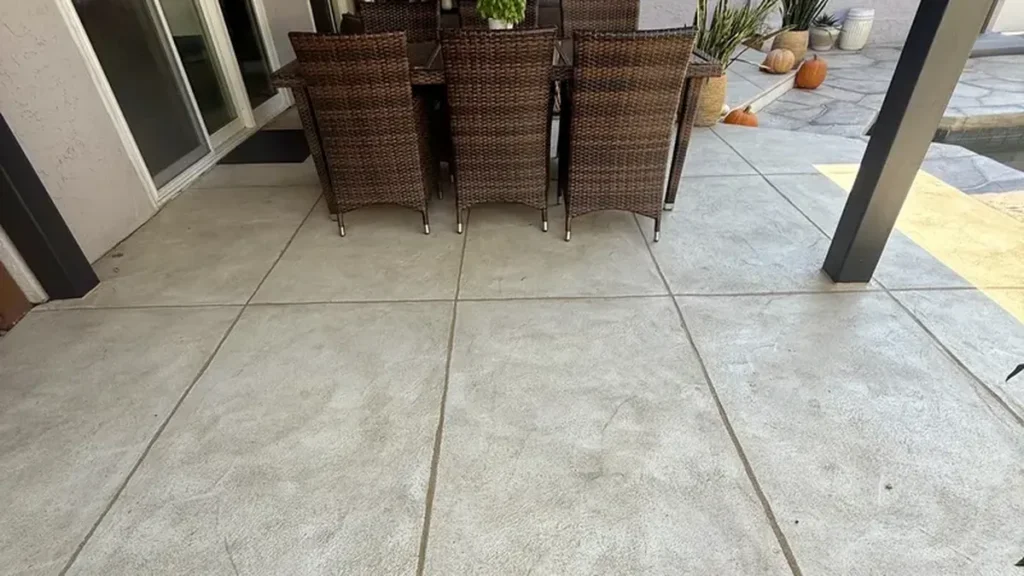
Concrete resurfacing is the process of applying a new layer of material over an existing concrete surface to improve its appearance, durability, and functionality without completely replacing the slab. It can cover worn finishes, discoloration, minor surface imperfections, and certain small cracks when the underlying concrete is structurally sound. For homeowners and businesses, concrete resurfacing offers a practical way to refresh driveways, patios, pool decks, walkways, and other surfaces.
How Does Concrete Resurfacing Work?
Concrete resurfacing involves preparing an existing surface and applying a specialized overlay or coating that creates a fresh finish. Depending on the product and desired result, the new surface can have a smooth, textured, colored, or decorative stone-like appearance.
Unlike complete concrete replacement, resurfacing generally preserves the existing slab. This can reduce demolition, disposal, and installation work while giving the property a noticeable visual improvement.
The process starts with an inspection to determine whether the concrete is suitable for resurfacing. The contractor checks for cracks, loose material, uneven sections, moisture problems, and other conditions that could affect the new finish. The surface is then cleaned and prepared so the resurfacing material can bond properly.
After preparation, the selected overlay or coating is applied according to the product requirements. Decorative systems may include custom colors, patterns, and textures to complement the surrounding architecture. The finished surface must then be allowed to cure for the recommended period before regular use.
For property owners considering a professional solution, LimeCoat DFW’s concrete resurfacing service offers a way to transform existing concrete and masonry with a decorative finish designed to resemble natural stone.

What Types of Concrete Surfaces Can Be Resurfaced?
One of the biggest advantages of concrete resurfacing is its versatility. Depending on the material, the condition of the existing surface, and the intended application, resurfacing can improve many areas around residential and commercial properties.
1. Driveways
Driveways experience frequent vehicle traffic, exposure to the elements, oil stains, and general wear. Over time, these conditions can leave concrete looking faded, stained, or outdated.
Resurfacing can improve a driveway’s appearance by adding a fresh finish and creating a more consistent look. Decorative patterns and colors can also complement the home’s exterior and landscaping.
However, resurfacing is not a substitute for repairing major structural problems. Deep cracks, significant settling, and extensive concrete movement must be evaluated before applying a new finish.
If your driveway has become an eyesore, explore driveway resurfacing by LimeCoat DFW to learn how an existing surface can be transformed without automatically resorting to complete replacement.
2. Patios and Outdoor Living Areas
Patios are popular spaces for relaxing, entertaining guests, and enjoying time outdoors. Unfortunately, exposure to sunlight, rain, temperature changes, and regular foot traffic can gradually affect their appearance.
Concrete resurfacing allows homeowners to update these areas with decorative finishes that complement outdoor furniture, landscaping, and the overall design of the property. A worn concrete patio can be transformed into a more inviting extension of the home.
Depending on the selected system, homeowners can choose finishes that resemble stone or create a distinctive decorative pattern. Proper surface preparation is especially important outdoors because moisture and temperature changes can affect the performance of the new overlay.
Learn more about patio resurfacing options to explore ways to improve the appearance of an existing outdoor living area.
3. Pool Decks
Pool decks are constantly exposed to sunlight, water, pool chemicals, and changing weather conditions. These factors can contribute to fading, surface deterioration, and an uncomfortable or unattractive outdoor environment.
Resurfacing can refresh an aging pool deck while creating a finish suited to the surrounding pool area. Textured finishes may also help improve traction, depending on the material and installation.
When choosing a pool deck resurfacing system, consider slip resistance, surface temperature, water exposure, maintenance requirements, and the manufacturer’s recommendations. No finish should be assumed to be slip-proof, particularly when wet.
Before starting a project, the existing deck should be checked for cracks, drainage issues, and structural movement. Addressing these concerns helps create a better foundation for the new surface.
Explore pool deck resurfacing services to discover how decorative finishes can improve the appearance of your poolside space.
4. Walkways and Sidewalks
Walkways connect driveways, entrances, patios, and other areas of a property. Because they receive regular foot traffic and remain exposed to outdoor conditions, their surfaces can become worn or discolored over time.
Resurfacing can help improve the appearance of these paths and create a more cohesive look across the property. Decorative finishes can complement the home’s exterior while giving older walkways a refreshed appearance.
However, uneven slabs, trip hazards, and substantial settlement should be addressed before resurfacing. Applying an overlay over a serious elevation problem will not correct the underlying issue.
Property owners can explore walkway resurfacing services to see how existing paths can be updated.
5. Interior and Exterior Walls
Concrete resurfacing is not limited to horizontal surfaces. Certain decorative resurfacing systems can also be applied to suitable walls and masonry surfaces.
This makes resurfacing useful for updating exterior facades, accent walls, and other architectural features. A decorative finish can introduce the appearance of natural stone without requiring the property owner to install individual stone pieces.
For interior spaces, a resurfaced wall can become a focal point in a living room, entryway, or other area. Exterior applications can help improve the visual appeal of a building while coordinating with existing materials.
The suitability of a particular wall depends on its substrate, condition, moisture exposure, and the resurfacing product’s specifications.
Learn more about wall resurfacing and decorative wall finishes for residential and commercial applications.
6. Fireplaces
A fireplace can be a central design feature in a home, but an outdated brick or masonry surround may no longer match the interior.
Decorative resurfacing can change the appearance of a suitable fireplace surround without necessarily removing the existing masonry. Depending on the selected design, the finished surface can create a stone-inspired appearance that complements the room.
Fireplace projects require special attention to heat exposure and material compatibility. The selected system must be appropriate for the specific surface and its proximity to the firebox. Always follow applicable installation requirements and manufacturer guidance.
Explore fireplace resurfacing services for ideas on refreshing an existing fireplace.
7. Commercial Properties
Businesses also benefit from concrete resurfacing. Storefronts, office buildings, commercial walkways, entrances, and other suitable surfaces can become worn through regular use and environmental exposure.
A refreshed surface can help create a more professional appearance for customers, visitors, employees, and tenants. Decorative finishes can also support a property’s overall branding and architectural design.
For commercial applications, the contractor should evaluate expected foot traffic, vehicle loads, cleaning practices, slip resistance, and downtime requirements before recommending a resurfacing system.
Businesses looking to update their properties can explore commercial concrete resurfacing to learn about available options.
What Are the Benefits of Concrete Resurfacing?
Concrete resurfacing offers several advantages when the existing surface is suitable for a new overlay. The specific results depend on the material, installation quality, and condition of the underlying concrete.
Cost-Effective Alternative to Concrete Replacement
Removing and replacing concrete can involve demolition, hauling away old material, preparing the base, pouring new concrete, and waiting for the new slab to cure.
Resurfacing can reduce the amount of demolition and replacement work required because it uses the existing slab as the foundation. This may make it a more economical option for surfaces that are structurally sound.
However, resurfacing is not always less expensive in every situation. Extensive repairs, difficult access, specialized finishes, and poor underlying conditions can affect the overall cost.
Improved Appearance
One of the most noticeable benefits of resurfacing is the opportunity to update an aging surface. Faded concrete, outdated finishes, and minor cosmetic imperfections can make a property look neglected even when the surrounding structure is in good condition.
A new overlay can introduce a more consistent finish, decorative patterns, and colors that complement the property’s design.
Some systems, including LimeCoat®, use a proprietary blend of hardened limestone, crushed quartz, cement, and polymers. LimeCoat DFW describes its finish as hand-carved and colored to create a realistic stone-like appearance. You can learn more about the company and its approach on the About LimeCoat DFW page.
Customization Options
Traditional concrete often has a relatively plain appearance, but decorative resurfacing creates more opportunities for customization.
Depending on the system, property owners may be able to select different colors, textures, patterns, and stone-inspired designs. These options make it possible to coordinate driveways, patios, pool decks, walkways, and other surfaces with the property’s architecture.
Before choosing a design, consider how it will look alongside existing brick, siding, landscaping, outdoor furniture, and other finishes.
Less Demolition and Construction Waste
Because resurfacing typically preserves the existing concrete slab, it can reduce the amount of material removed during renovation.
This may mean less demolition debris, fewer disposal requirements, and less disruption to the surrounding property than a full replacement project. The actual environmental benefits depend on the products used, the preparation required, and the condition of the existing surface.
Easier Routine Maintenance
Many resurfaced concrete systems are designed to be relatively easy to maintain. Depending on the finish, regular sweeping, washing, and prompt removal of stains may help preserve the surface’s appearance.
Maintenance requirements vary by product. Some systems may require periodic sealing or other protective treatments, so property owners should follow the installer’s care instructions.
Resurfacing can improve the usability and appearance of an existing area, but it does not eliminate the need for routine maintenance.
What Is the Concrete Resurfacing Process?
Professional concrete resurfacing involves more than applying a new layer over an old slab. Proper evaluation and preparation are essential to achieving a durable finish.
Step 1: Inspect the Existing Concrete
The contractor evaluates the surface for cracks, spalling, loose material, moisture problems, uneven sections, and signs of structural movement.
This assessment helps determine whether the concrete is suitable for resurfacing or needs repairs before work begins.
Step 2: Prepare the Surface
The concrete must be clean and properly prepared for the selected material. Preparation may involve removing dirt, grease, existing coatings, loose concrete, and other contaminants that could interfere with adhesion.
Depending on the system, mechanical surface preparation may also be necessary to create the appropriate bonding profile.
Skipping this step or preparing the surface incorrectly can lead to poor adhesion, peeling, or premature deterioration.
Step 3: Repair Suitable Surface Defects
Cracks and other imperfections should be assessed before the new finish is applied. Minor defects may be repairable, but larger cracks, settlement, and ongoing structural movement require more extensive evaluation.
A resurfacing layer should not be expected to correct serious foundation or drainage problems. Repairs must be appropriate for the underlying cause and compatible with the selected system.
Step 4: Apply the Resurfacing Material
Once the surface is ready, the contractor applies the chosen overlay or coating according to the manufacturer’s specifications.
The application method depends on the product and the desired result. Decorative systems may involve layering, texturing, coloring, carving, or other finishing techniques to achieve a customized appearance.
Step 5: Allow the Surface to Cure
The newly applied material needs sufficient time to cure before the area returns to regular use. The required period varies according to the product, temperature, humidity, and installation conditions.
During this stage, the surface should be protected as directed by the contractor. Premature foot traffic, vehicle traffic, moisture exposure, or other disturbances can compromise the finished result.
Step 6: Inspect the Completed Work
After installation and the required curing period, the finished surface should be checked for consistency, workmanship, and any project-specific requirements.
The contractor can also explain appropriate cleaning methods, maintenance schedules, and any restrictions that apply to the new finish.
How Much Does Concrete Resurfacing Cost?
The cost of concrete resurfacing varies according to several factors, so there is no single price that applies to every project.
The main factors affecting the cost include:
- Surface size: Larger driveways, patios, and pool decks generally require more material and labor.
- Existing concrete condition: Damaged or contaminated surfaces may need additional preparation and repairs.
- Resurfacing material: Different coatings and overlays have different material costs and performance characteristics.
- Design complexity: Custom patterns, multiple colors, and specialized textures may require additional labor.
- Accessibility: Difficult-to-reach areas or properties with complicated layouts can increase installation time.
- Project location and requirements: Local conditions, scheduling, and site-specific needs may influence the final estimate.
For an accurate price, have the contractor inspect the existing surface and discuss your desired finish. A detailed estimate should identify the preparation work, repairs, resurfacing system, and other services included in the project.
Rather than comparing quotes based only on the total price, review the materials, scope of work, warranty terms, and expected maintenance requirements.
You canrequest a concrete resurfacing quote from LimeCoat DFW to discuss your property and receive guidance on suitable options.

How Long Does Concrete Resurfacing Last?
The lifespan of a resurfaced concrete surface depends on the product, installation quality, underlying slab, environmental conditions, and maintenance.
A properly installed system on a stable, well-prepared surface can provide years of service. However, no specific lifespan can be guaranteed for every project.
Outdoor surfaces face additional challenges, including ultraviolet exposure, rain, temperature fluctuations, and regular foot or vehicle traffic. In North Texas, hot summers and occasional freezing conditions can place additional stress on exterior surfaces.
To help protect the finish:
- Clean the surface regularly using the recommended method.
- Remove oil, chemicals, and other potentially damaging spills promptly.
- Avoid harsh cleaning products unless approved for the coating.
- Follow recommendations for sealing and protective treatments.
- Address drainage problems and signs of movement.
- Arrange repairs when damage appears instead of allowing it to worsen.
Routine care helps maintain the appearance of the finish, but the underlying concrete must also remain stable for the resurfacing system to perform as intended.
Can All Concrete Be Resurfaced?
No. Concrete resurfacing is most suitable for existing surfaces that are structurally sound or can be repaired adequately before installation.
Minor surface wear, discoloration, and certain small cracks may be manageable, depending on the selected system. However, serious structural damage can make resurfacing unsuitable.
Concrete may require more extensive repair or replacement when it has:
- Severe cracking associated with ongoing movement.
- Significant sinking, heaving, or uneven sections.
- Extensive spalling or deteriorated concrete.
- Persistent moisture problems that compromise adhesion.
- Major drainage or foundation issues that remain unresolved.
Applying a new finish over an unstable slab may only conceal the symptoms temporarily. Cracks can reappear, and the overlay may fail if the underlying problem continues.
A professional inspection helps establish whether resurfacing is a practical solution, what repairs are necessary, and whether replacement would be a better long-term investment.
Concrete Resurfacing vs. Concrete Replacement: Which Is Better?
Concrete resurfacing and concrete replacement solve different problems. The right choice depends primarily on the condition of the existing slab and the goals of the project.
Resurfacing is often appropriate when the concrete is structurally sound but looks worn, stained, outdated, or cosmetically damaged. It can provide a fresh appearance without removing the entire slab.
Replacement may be more appropriate when the concrete has extensive structural damage, significant movement, or underlying problems that cannot be resolved through surface repairs.
Consider the following differences:
| Factor | Concrete Resurfacing | Concrete Replacement |
| Existing slab | Retained if suitable | Removed and replaced |
| Demolition | Usually limited | Generally required |
| Design options | Depends on overlay system | Depends on the new concrete and finish |
| Project cost | May be lower for suitable slabs | Can be higher due to demolition and reconstruction |
| Structural problems | Does not independently correct major issues | Allows the underlying slab and base to be addressed |
| Best suited for | Cosmetic improvements and suitable surface wear | Severely damaged or unsuitable concrete |
The cheapest option upfront is not necessarily the best long-term choice. If the slab is unstable, replacement or substantial repair may provide better value. If the slab is sound, resurfacing may deliver the desired improvement with less demolition.
A qualified contractor can evaluate the surface and explain the advantages and limitations of each option.
Is Professional Concrete Resurfacing Worth It?
Professional concrete resurfacing can be a worthwhile investment when the existing slab is suitable and the selected system meets the property’s needs.
An experienced contractor can assess the condition of the concrete, recommend an appropriate finish, prepare the surface correctly, and apply the material according to its specifications. These steps are particularly important for exterior areas exposed to harsh weather or frequent traffic.
Professional installation also helps property owners understand which imperfections can be addressed, what limitations remain, and how to care for the finished surface.
When comparing contractors, ask about their experience with similar projects, the materials they use, surface preparation procedures, warranty coverage, and maintenance recommendations. Requesting examples of completed work can also help you evaluate the quality and style of their finishes.
For residential and commercial property owners in the Dallas-Fort Worth area, LimeCoat DFW provides decorative resurfacing solutions for a variety of concrete and masonry applications.
Explore the company’sfull range of resurfacing services to find an option that fits your project.
Refresh Your Existing Concrete Without Full Replacement
Concrete resurfacing can transform worn, outdated surfaces into attractive, functional spaces without necessarily requiring complete concrete replacement. The key is choosing a suitable resurfacing system and ensuring the existing surface is properly evaluated and prepared.
If you are considering resurfacing a driveway, patio, pool deck, walkway, or other suitable surface, contactLimeCoat DFW to discuss your project and explore your options.