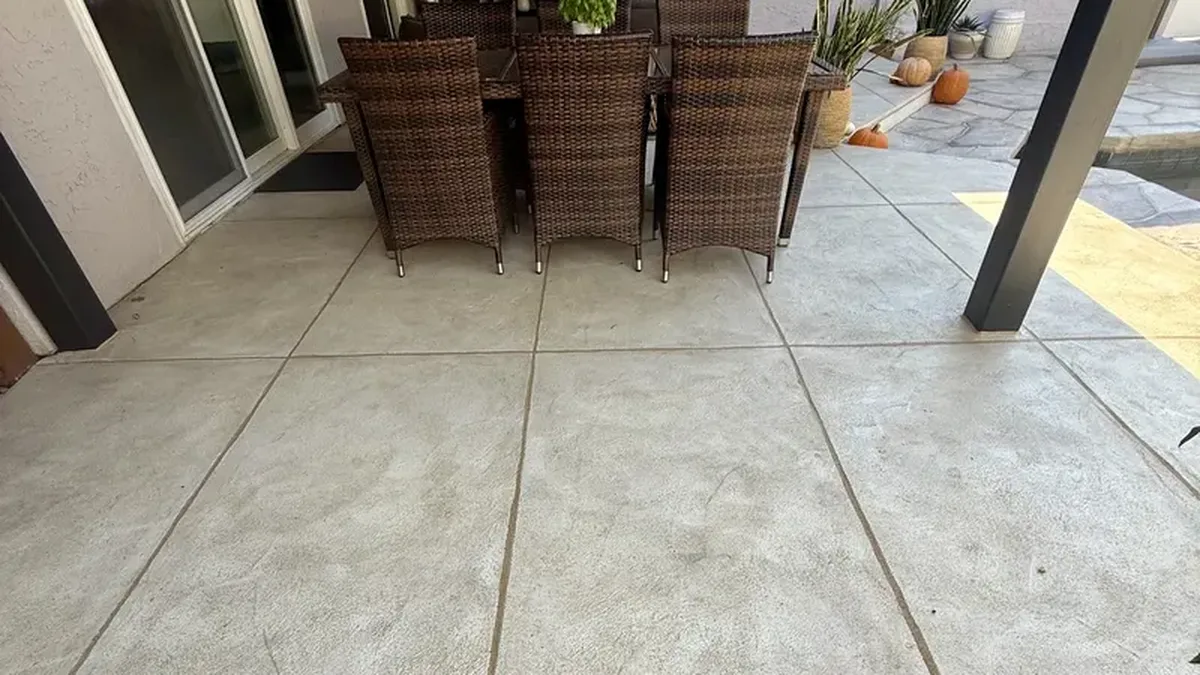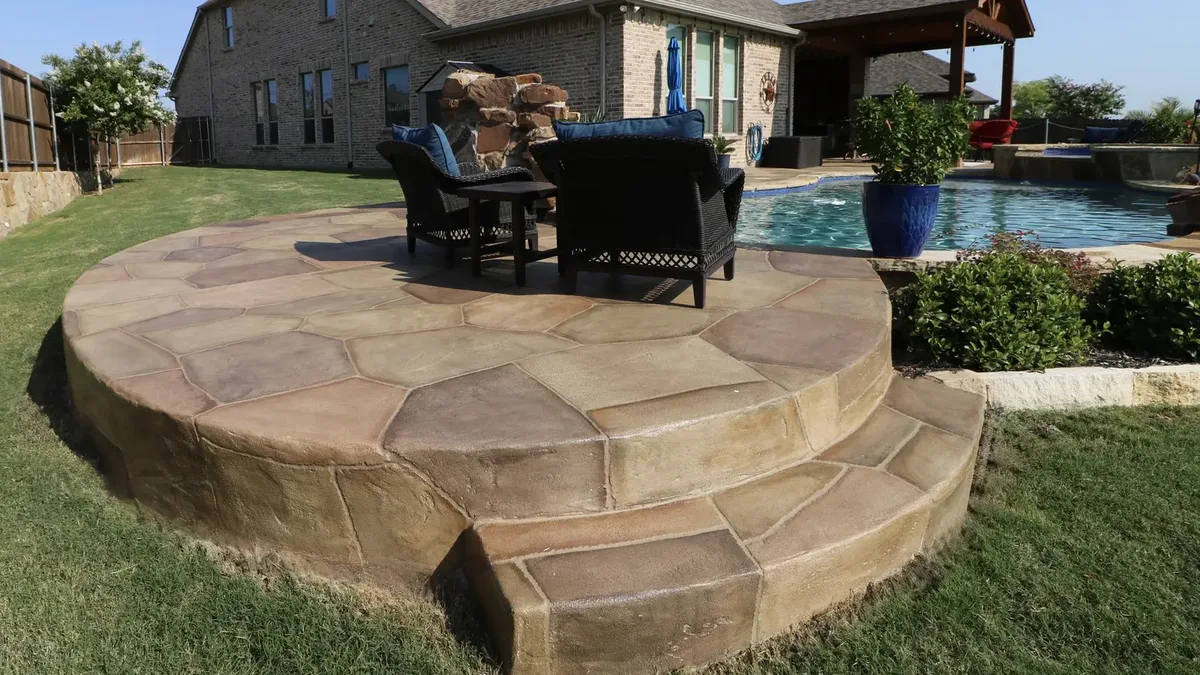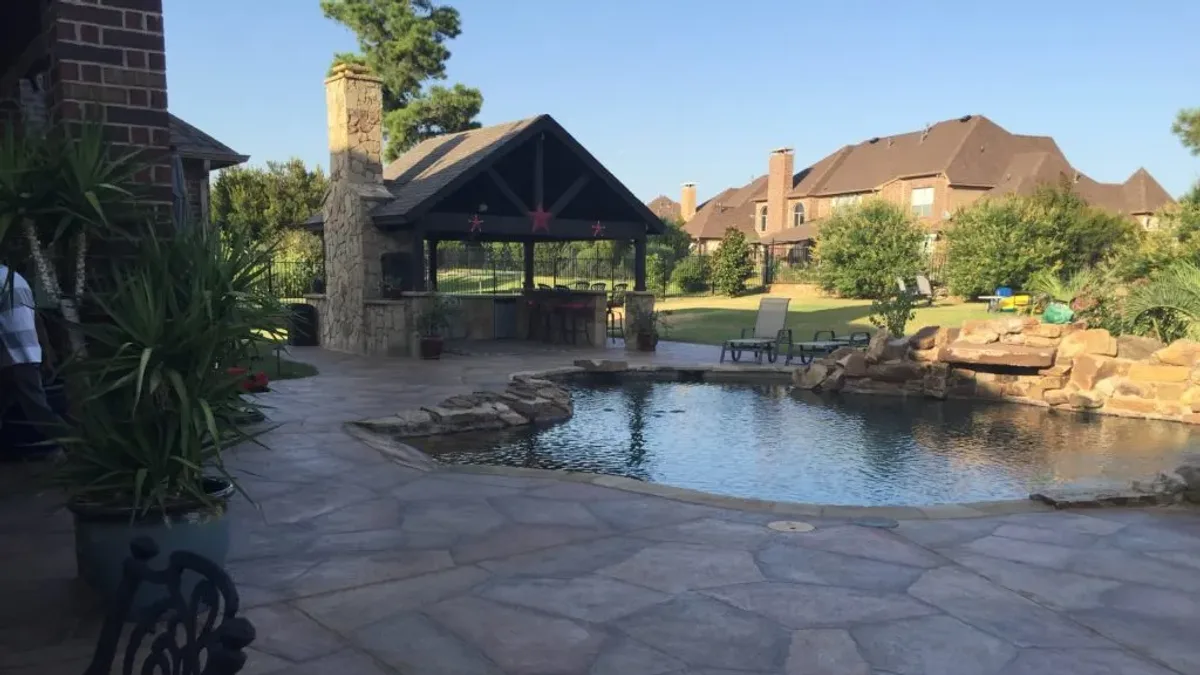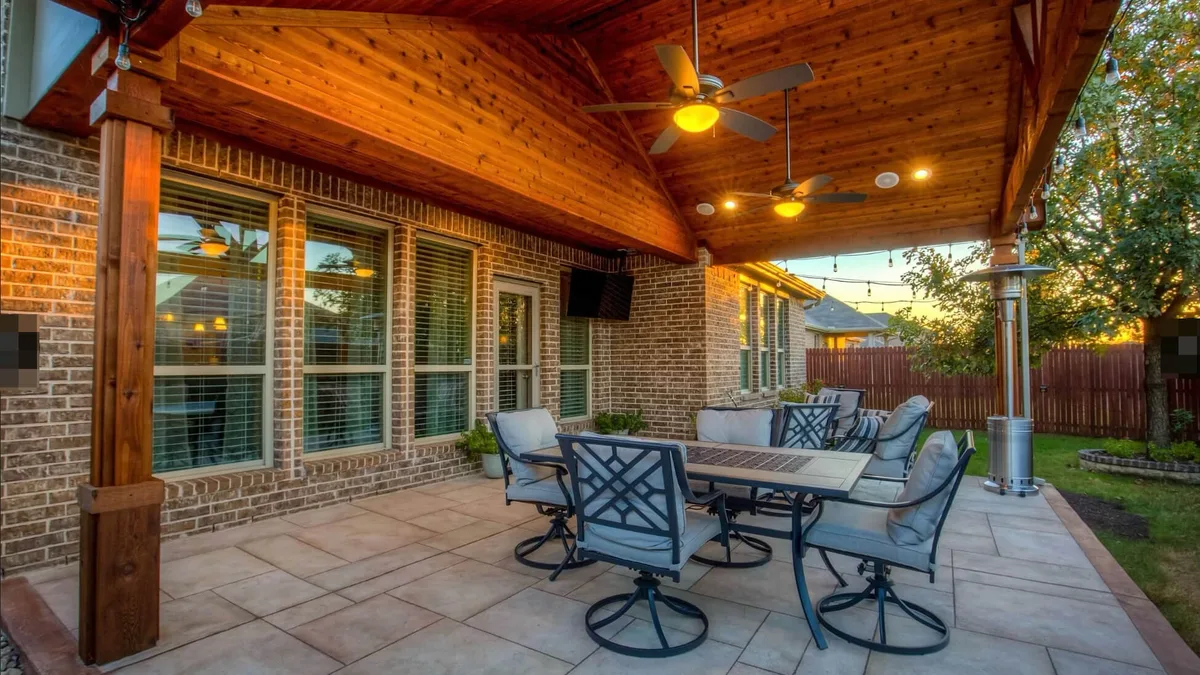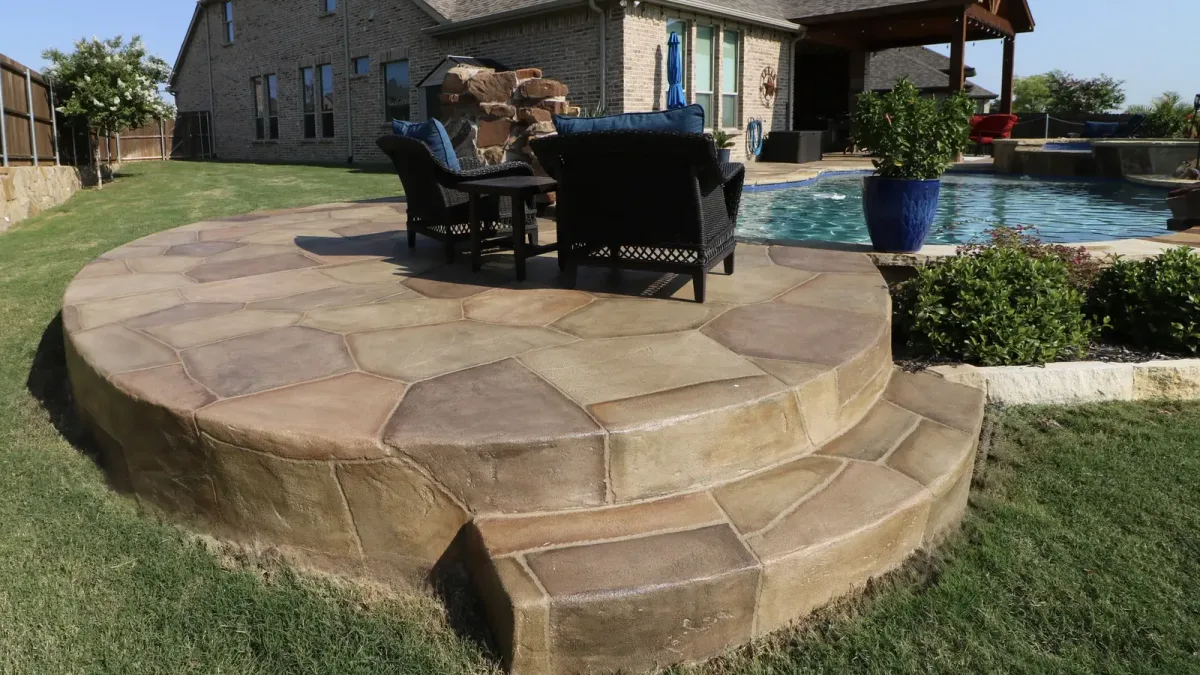
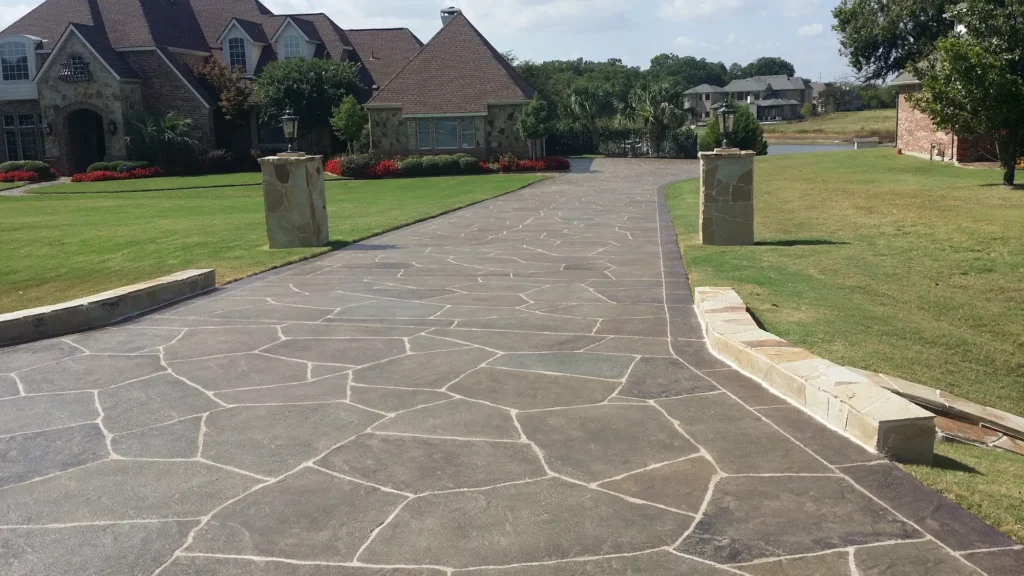
Concrete resurfacing typically costs around $3 to $10 per square foot for many standard projects, while decorative finishes, intricate patterns, and specialized applications can cost $10 to $20 or more per square foot. The total price depends on the condition of the existing concrete, the resurfacing material, the design, the size of the area, and the labor required.
For homeowners in North Texas, resurfacing can be a practical way to refresh a worn driveway, patio, walkway, or pool deck without completely removing and replacing the existing concrete. Understanding the factors that affect pricing can help you estimate your budget and determine whether resurfacing is the right option for your property.
What Is the Average Cost of Concrete Resurfacing?
The average cost of concrete resurfacing varies depending on the type of surface, the preparation required, and the finish you choose. Basic resurfacing is generally less expensive than decorative systems that involve multiple colors, custom textures, or intricate designs.
The following figures are general budgeting estimates for residential projects in the United States, not a confirmed price list for LimeCoat. Actual costs in the Dallas–Fort Worth area may differ based on project conditions and contractor pricing.
| Type of concrete resurfacing | Estimated cost per square foot |
| Basic concrete resurfacing | $3–$7 |
| Decorative concrete overlay | $5–$12 |
| Textured or colored finishes | $5–$15 |
| Custom decorative patterns | $10–$20+ |
These ranges can overlap because contractors use different materials, installation methods, and pricing structures. Some projects may also have minimum service charges, particularly when the area is relatively small.
For example, resurfacing a large, relatively flat patio with minor surface imperfections may cost less per square foot than resurfacing a smaller area that requires extensive repairs and detailed decorative work.
To understand the different options available, explore LimeCoat's concrete resurfacing services.
How Much Does Concrete Resurfacing Cost by Project Type?
The total cost of concrete resurfacing depends partly on where the material will be installed. Driveways, patios, pool decks, and interior decorative surfaces have different requirements, so comparing projects by application can help you prepare a more realistic budget.
1. Driveway Concrete Resurfacing
Driveway resurfacing can cost approximately $3 to $10 per square foot for many standard projects, although decorative finishes and extensive preparation can increase the price.
Driveways must withstand vehicle weight, tire friction, oil stains, and changing weather conditions. The resurfacing system must be appropriate for these demands, and the existing concrete must be structurally suitable for an overlay.
Costs may increase if the driveway has damaged edges, significant surface deterioration, drainage problems, or areas that require additional preparation.
For example, a 600-square-foot driveway resurfaced at $5 per square foot would cost approximately $3,000 before any additional charges.
Homeowners considering this improvement can explore driveway resurfacing services to learn more about refreshing an existing driveway.

2. Patio Concrete Resurfacing
Patio resurfacing generally costs around $3 to $12 per square foot, depending on the material, finish, and condition of the existing surface.
Because patios are often used for entertaining and outdoor relaxation, homeowners may choose decorative colors, textured finishes, or patterns that complement their landscaping and outdoor furniture.
The final price depends on the project's complexity. A straightforward overlay may be relatively affordable, while a custom design with multiple colors or detailed patterns may require more labor and materials.
For a 400-square-foot patio at $6 per square foot, the estimated resurfacing cost would be $2,400.
If you want to improve your outdoor living area, learn more about patio resurfacing.
3. Pool Deck Concrete Resurfacing
Pool deck resurfacing can cost approximately $5 to $15 per square foot or more, depending on the resurfacing system, surface preparation, and decorative finish.
Pool decks require special consideration because they are exposed to water, sunlight, pool chemicals, and frequent foot traffic. Slip resistance, comfort underfoot, drainage, and durability are important when choosing a finish.
Some projects may require additional repairs or preparation to address deteriorating concrete, uneven areas, or drainage concerns. These requirements can affect the final price.
For example, a 500-square-foot pool deck at $8 per square foot would have an estimated resurfacing cost of $4,000.
Explore pool deck resurfacing services to learn more about options for updating an existing poolside surface.
4. Walkway Concrete Resurfacing
Walkway resurfacing may cost around $3 to $10 per square foot for many standard projects, although smaller jobs may have minimum charges.
Walkways can develop discoloration, shallow surface damage, and general wear from regular foot traffic and weather exposure. Resurfacing can improve their appearance when the underlying concrete remains suitable for an overlay.
The final cost depends on the walkway's dimensions, accessibility, surface condition, and selected finish. Narrow paths or areas with numerous edges may require more labor than a large, open slab.
Learn more about walkway resurfacing if you want to refresh the appearance of existing concrete paths.
5. Commercial Concrete Resurfacing
Commercial concrete resurfacing costs vary considerably depending on the size of the property, the expected traffic, the material requirements, and the amount of preparation needed.
Commercial projects may involve retail spaces, offices, entryways, or other business properties. Some surfaces require enhanced abrasion resistance, specific safety characteristics, or finishes suitable for frequent cleaning.
Although a larger project may benefit from economies of scale, complicated layouts, restricted access, and specialized materials can increase installation costs.
Property owners and managers can explore commercial concrete resurfacing to learn more about resurfacing options for business environments.

Example Concrete Resurfacing Cost Calculator
The following examples show how square footage and estimated per-square-foot pricing affect a project's budget. They are illustrative calculations rather than contractor quotes.
| Project size | At $4/sq. ft. | At $7/sq. ft. | At $12/sq. ft. |
| 200 sq. ft. | $800 | $1,400 | $2,400 |
| 400 sq. ft. | $1,600 | $2,800 | $4,800 |
| 600 sq. ft. | $2,400 | $4,200 | $7,200 |
| 1,000 sq. ft. | $4,000 | $7,000 | $12,000 |
To estimate your resurfacing budget, multiply the total area in square feet by the estimated price per square foot.
Estimated project cost = Area in square feet × Cost per square foot
For example, a 750-square-foot patio with an estimated installation rate of $6 per square foot would cost:
750 × $6 = $4,500.
This estimate does not necessarily include repairs, removal of existing coatings, drainage corrections, or other additional work. Ask the contractor whether preparation, materials, labor, cleanup, and any protective sealer are included in the quoted price.
7 Factors That Affect Concrete Resurfacing Costs
Several factors influence how much you will pay for concrete resurfacing. Understanding them can help you compare quotes and identify which features matter most for your project.
1. The Condition of the Existing Concrete
The condition of the original concrete is one of the biggest factors affecting the overall price.
If the slab is structurally sound but has surface discoloration, minor imperfections, or an outdated appearance, it may require relatively straightforward preparation before resurfacing.
However, concrete with extensive cracking, loose material, significant deterioration, or uneven sections may need additional repairs. If the slab has major structural problems or continues to move, resurfacing alone may not be appropriate.
Repairing underlying issues before installation can increase the initial project cost, but it may help prevent premature damage to the new overlay.
A professional assessment can determine whether your existing concrete is suitable for resurfacing or whether replacement would be a better long-term solution.
2. The Size of the Area
The total square footage directly affects the quantity of material and the amount of labor required.
Larger projects generally require more material, but their per-square-foot cost may be lower when preparation and setup costs are distributed across a larger area.
Smaller projects can sometimes have higher per-square-foot prices because contractors still need to account for travel, equipment setup, labor, and minimum project charges.
Measure the full area you want resurfaced before requesting an estimate. If the project includes several separate sections, such as a driveway, walkway, and patio, ask whether combining the work could affect the total price.
3. The Resurfacing Material
Different resurfacing systems have different material costs and performance characteristics.
A basic overlay may be suitable for some applications, while a decorative system may require specialized products, additional layers, pigments, or protective coatings.
Material selection should reflect the surface's intended use. A pool deck, for instance, requires different considerations from an indoor decorative floor or a driveway exposed to vehicle traffic.
LimeCoat describes its decorative resurfacing approach as using a blend of hardened limestone, crushed quartz, cement, and polymers that can be hand-carved and colored to create a natural-stone appearance.
The best option depends on the property's condition, the desired finish, and the requirements of the particular application.
4. The Complexity of the Design
A simple finish is generally less expensive than a highly customized decorative surface.
Single-color applications and straightforward textures may require less labor than multicolored designs, intricate patterns, or finishes intended to resemble natural stone.
Decorative work can also involve additional preparation, careful application, and specialized finishing techniques.
If your main priority is affordability, ask the contractor to compare a basic finish with a decorative alternative. This allows you to understand the price difference before making a decision.
You can also browse concrete resurfacing ideas for inspiration when deciding which style suits your property and budget.
5. Surface Preparation and Repairs
Before resurfacing begins, contractors may need to remove dirt, grease, loose concrete, old coatings, or other contaminants that interfere with bonding.
Depending on the condition of the slab and the resurfacing system, preparation may involve grinding, specialized cleaning, crack repairs, patching, or other treatments.
These steps add to the project cost, but they are important for achieving a durable result.
When comparing estimates, ask whether surface preparation and minor repairs are included. A lower quote may not represent better value if essential preparation work is excluded and later added as an extra charge.
6. Accessibility and Project Layout
The location and layout of the concrete can influence installation costs.
A wide, unobstructed driveway may be easier to access than a narrow walkway surrounded by landscaping or a patio with numerous corners, steps, and adjoining structures.
Difficult access can affect equipment use, material handling, and labor requirements. Contractors may also need to protect nearby walls, landscaping, doors, or other finished surfaces during installation.
Providing photos, accurate measurements, and details about access conditions when requesting a quote can help the contractor prepare a more realistic estimate.
7. Sealing and Additional Services
Some resurfacing systems require a protective sealer, while others have different finishing and maintenance requirements.
Depending on the selected system, sealing may be included in the installation price or listed as a separate service. Additional work, such as drainage improvements, extensive repairs, removal of old coatings, or preparation of adjacent areas, can also increase the total.
Ask for an itemized estimate that identifies the resurfacing system, preparation, repairs, finishing, and any recommended protective treatments.
This makes it easier to compare quotes accurately and understand the full cost of completing the project.
Is Concrete Resurfacing Cheaper Than Replacing Concrete?
Concrete resurfacing can cost less than full concrete replacement when the existing slab is structurally sound and suitable for an overlay.
Replacement typically involves removing the existing concrete, disposing of the debris, preparing the base, and installing new concrete. Depending on the project, additional work may include reinforcing, forming, grading, and curing.
Resurfacing can avoid many of these steps because it uses the existing slab as the foundation for the new finish.
However, resurfacing is not always the less expensive option. If the original concrete has serious structural damage, significant movement, or extensive deterioration, repairs may be insufficient to provide a reliable foundation.
Applying a new overlay over an unsuitable slab can lead to additional problems and costs later.
The most practical approach is to compare both options based on the condition of the existing concrete, the expected lifespan, and the property's long-term needs.
For more information about how the process works, visit what is concrete resurfacing.
How to Get an Accurate Concrete Resurfacing Quote
Online estimates are useful for initial budgeting, but a contractor's quote should account for the actual conditions of your property.
Before requesting a quote, prepare the following information:
- Project location: Identify where the resurfacing will take place.
- Approximate dimensions: Measure the length and width of the area to estimate its square footage.
- Current condition: Note visible cracks, peeling, stains, uneven sections, and other concerns.
- Preferred finish: Decide whether you want a simple finish, a colored overlay, or a decorative design.
- Intended use: Explain whether the surface will support vehicles, regular foot traffic, or commercial activity.
- Project priorities: Let the contractor know whether your main concerns are budget, appearance, durability, or maintenance.
Ask the contractor to inspect the concrete when necessary and provide a written estimate outlining the recommended system and the work involved.
You can also review LimeCoat's services to explore the available applications for different areas of your property.
Budget for Concrete Resurfacing With the Right Information
Concrete resurfacing can cost approximately $3 to $10 per square foot for many standard projects, with decorative and specialized applications potentially costing $10 to $20 or more. Your final price will depend on the surface condition, materials, design, preparation, and installation requirements.
Resurfacing may be a practical way to refresh suitable concrete without replacing the entire slab. To determine the right option for your property, request a quote from LimeCoat or contact the team to discuss your project.